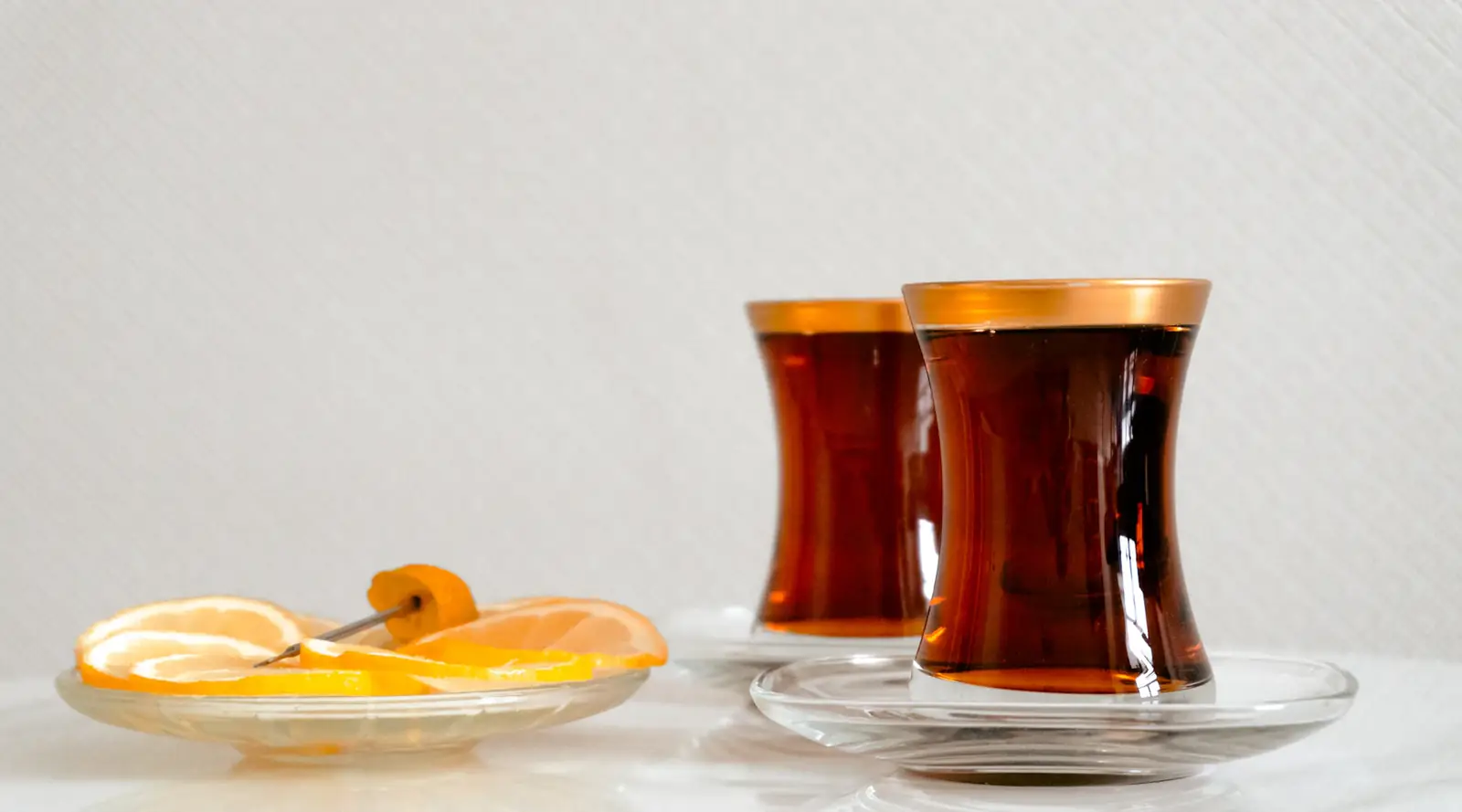
How Azerbaijanis drink tea, why it comes in pear-shaped glasses with jam, where tea is grown around Lankaran and how to enjoy a tea house as a visitor.
Tea is the drink of welcome in Azerbaijan. It arrives before you ask, it comes in small pear-shaped glasses called armudu, and it is served with jam, sweets and lemon rather than milk. If you visit a home, a tea house or a mountain village, you will be offered a glass within minutes.
Why tea matters so much
Azerbaijanis drink black tea at almost any hour, at breakfast, after meals, at work and late into the evening. Offering tea is the simplest way to show hospitality, and refusing every glass can seem cold. You do not have to finish each one, but accepting the first is polite.
Tea also sets the rhythm of conversation. Business, family news and wedding plans are often discussed over a teapot. In towns and villages the tea house, or chaykhana, has long been a meeting place, mostly for older men, though visitors and families are welcome in tea gardens and modern cafes.
The armudu glass and the samovar
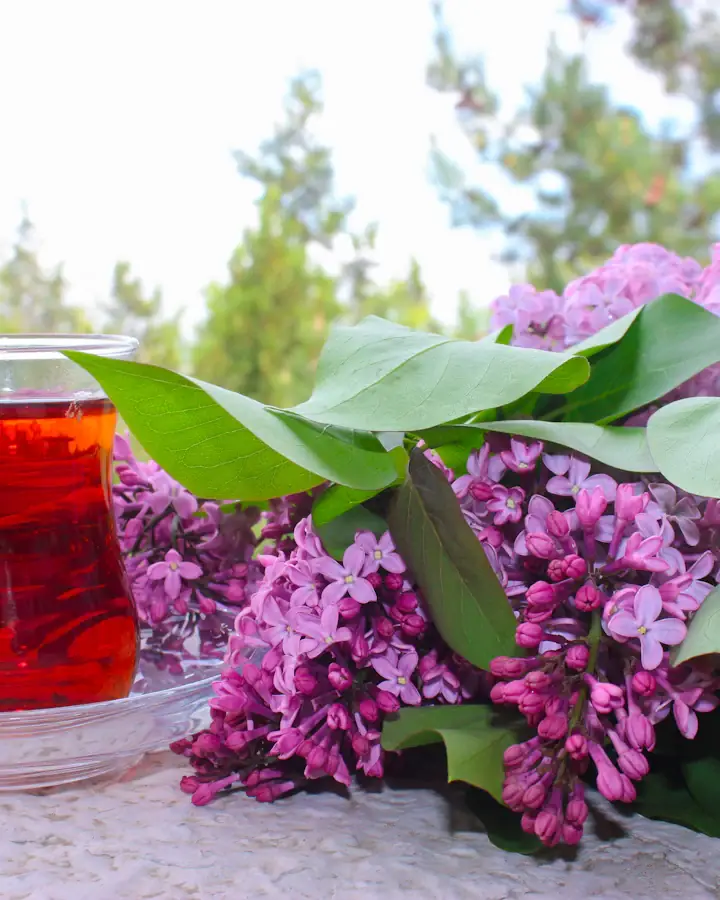
The armudu glass is narrow at the waist and wider at the top and bottom, a little like a pear. Locals say the shape keeps the tea hot at the bottom while letting it cool at the top for sipping. Whatever the reason, it is pretty, and many visitors take a set home.
The samovar is a metal urn that keeps water hot for hours. Traditional ones were heated with charcoal or wood, and you still see them in tea gardens and villages. A strong brew sits in a small teapot on top, and each glass is mixed with hot water to the strength you like.
What comes with the tea
Sugar usually comes as hard cubes. Many people dip a cube into the tea, bite it and sip through it instead of stirring sugar in. Slices of lemon are common, and in the mountains you may be offered tea with thyme or other wild herbs.
Jam, called murabba, is the real treat. You eat it with a small spoon between sips rather than spreading it on bread. Look for white cherry, quince, fig, rose petal and the unusual green walnut jam. Dried fruit, nuts and sweets such as pakhlava and shekerbura often appear too, especially around Novruz in March.
Where the tea grows
The main tea growing area of Azerbaijan is the humid south, around Lankaran and Astara near the Iranian border. The climate there is warm and wet, the hills are green, and the Hyrcanian forests nearby are listed by UNESCO. Lankaran is about four to five hours from Baku by road.
On our two day Lankaran tea and forests trip you see plantations, drink tea close to where it is grown and walk in the forest. The Astara tea and citrus route goes a little further south, with orchards as well as tea. Picking takes place in the warmer months, so late spring to early autumn is the best time to see the green rows at their fullest.
How to enjoy tea as a visitor
- Say yes to the first glass. If you have had enough, leave a little in the glass or tell your host politely.
- Hold the armudu glass near the rim, as the bottom gets hot.
- Try at least three jams. Hosts enjoy telling you how each one is made.
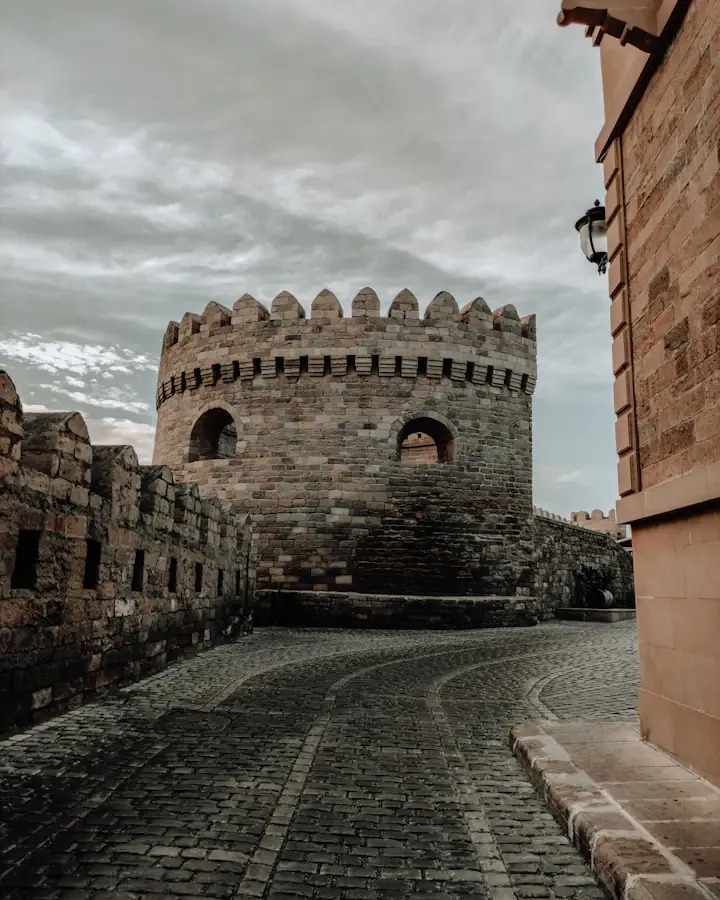
- Tea houses in the Old City of Baku and in Sheki are good places for a break. In Sheki, tea often comes with the local layered halva.
- Shops in Baku sell armudu sets, loose tea and jars of jam. Wrap jars well and pack them in checked luggage.
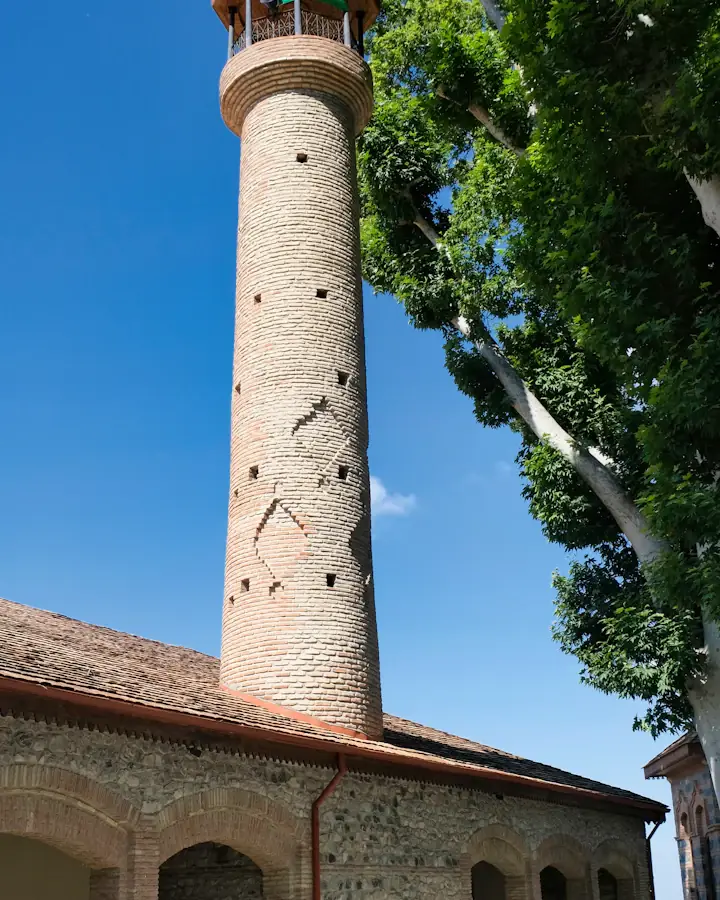
Children usually enjoy the ritual too. The small glasses suit small hands, and many cafes are happy to serve a weaker glass with extra jam. Our three day Sheki trip includes plenty of time for a slow tea in a caravanserai courtyard.
Tea at home after your trip
To brew tea the local way, warm the teapot first, add loose black tea and pour on water just off the boil. Let it stand for a few minutes, then pour a little into each glass and top up with hot water. Some families add a few dried rose petals or a pinch of cardamom for scent. Serve it with a bowl of jam and a plate of dried fruit, and you will have a small taste of Azerbaijan at home.
How we can include tea in your trip
Tea stops are part of every private trip we run, from a courtyard cafe in Baku to a village tea house on the way to the mountains. If you would like to see where tea is grown, we can plan the Lankaran region over two days or join it to a longer route, with hotels chosen with you and prayer time when needed. For visas, weather and money, read the travel guide, then send us your dates on WhatsApp for a free proposal.
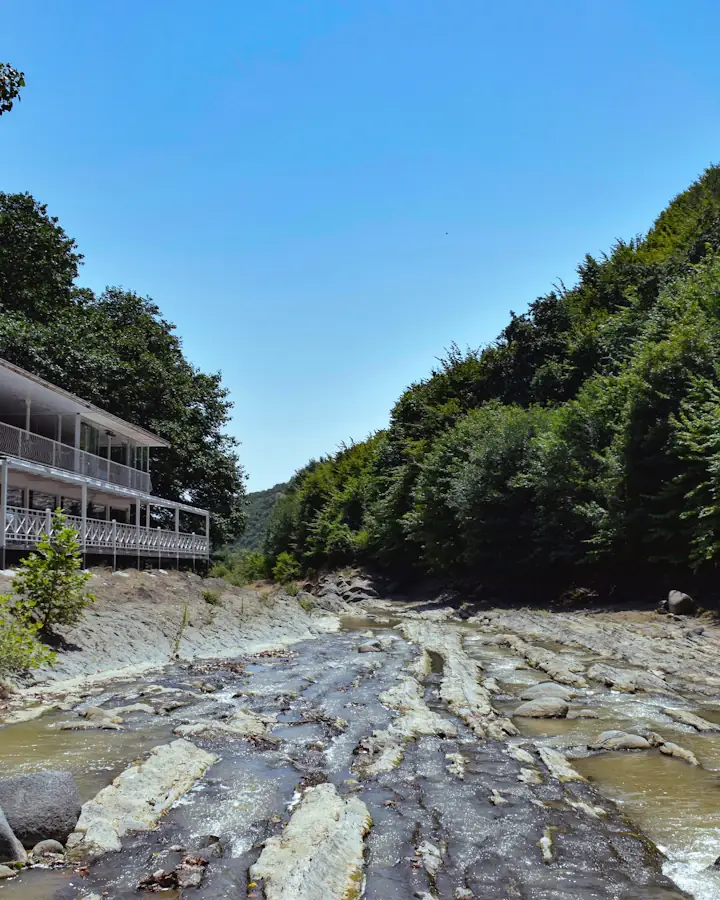
Lankaran Tea and Forests, 2 Days
Lankaran lies on the Caspian coast in the far south, about four hours from Baku. Its humid climate supports tea…
Free quote

 Azerbaijan Luxury Tours