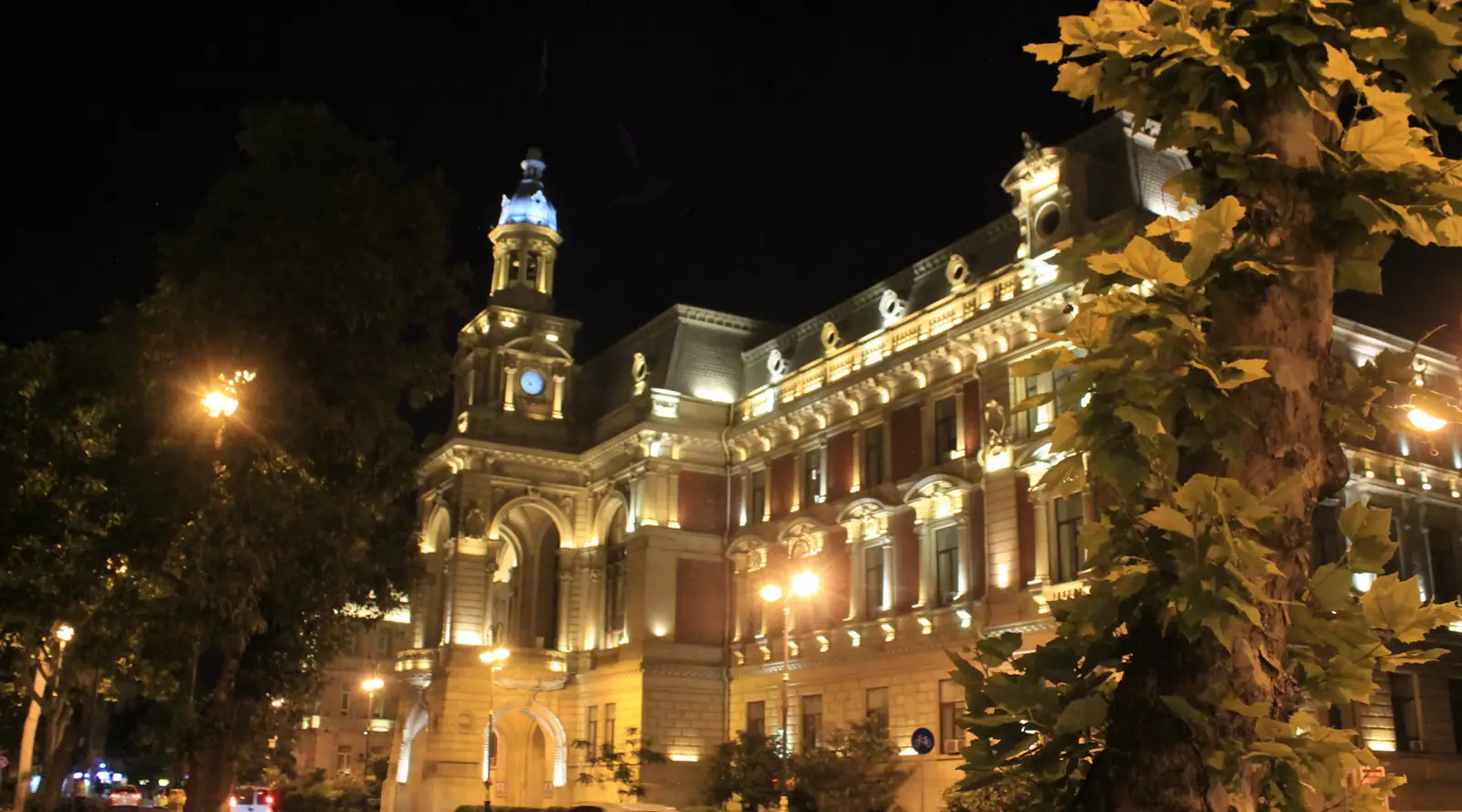
A walking guide to the oil boom mansions of Baku, who built them, how they are used today and how to see the finest facades in one easy day.
Yes, you can see the oil boom mansions of Baku in a single relaxed day, and most of the finest ones stand within walking distance of each other in the city centre. They were built by industrialists who made fortunes from the oil fields around the city in the late 19th and early 20th centuries. Today some are museums you can enter, while others are official buildings that you admire from the street.
How oil changed Baku
For centuries people on the Absheron Peninsula collected oil from shallow pits and used it for lamps and medicine. Industrial drilling began in the second half of the 19th century, and within a few decades Baku became one of the main oil centres of the world. Engineers, traders and workers arrived from across the Russian Empire and from Europe.
The new money changed the shape of the city. Local businessmen and foreign firms competed to build grand homes, banks, theatres and schools outside the old walls. Architects mixed Gothic, Renaissance, Baroque and Eastern details, which is why a short walk can feel like a tour of several countries.
The names you will hear
Haji Zeynalabdin Taghiyev was a self-made oil millionaire and a generous patron. He paid for a girls' school, a theatre and a large share of a water supply project for the city. His former residence near Fountain Square is now the National Museum of History of Azerbaijan, where richly decorated reception rooms sit alongside archaeological collections.
Murtuza Mukhtarov built a palace in a French Gothic style that many visitors compare to a small castle. It is used today as a wedding palace, so you usually view it from outside and may see newly married couples on the steps at weekends.
Musa Naghiyev commissioned the Ismailiyya building in memory of his son. Its Venetian Gothic facade on Istiglaliyyat Street is one of the most photographed in the city, and the building now belongs to the Academy of Sciences.
The Nobel brothers also worked in Baku. Their company built tankers and pipelines, and their former Villa Petrolea estate is now a museum about the family and the oil industry. Our Nobel brothers and oil mansions day follows their story in more detail.
A walking route through the mansion district
A good route starts at Fountain Square and the Museum of History, then follows Nizami Street, where many oil era apartment buildings line the pavement. From there you walk to Istiglaliyyat Street for the Ismailiyya building, the city hall and the Philharmonic hall, and then continue to the Mukhtarov palace.
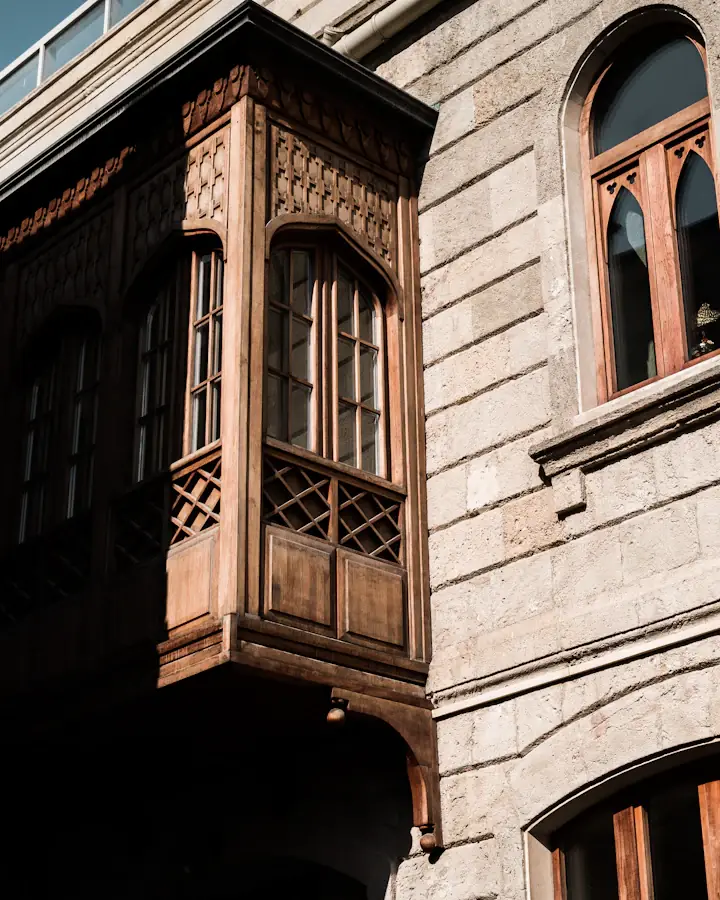
Look up as you walk. The best details are often on the upper floors, such as carved stone balconies, faces, plants and family crests. Many buildings carry small plaques with the name of the original owner and the architect, which your guide can read and explain.
The whole loop takes about three hours at an easy pace with a coffee stop. The pavements in the centre are mostly flat and smooth, so it works with a pushchair, and there are benches and cafes along the way.
What you can visit inside
Be realistic about interiors. Museums such as the Museum of History and the Nobel museum are open to visitors on their normal schedule, and a guide makes the rooms far more interesting. Buildings used by government bodies, banks or as the wedding palace are not tourist sites, so plan to enjoy their facades.
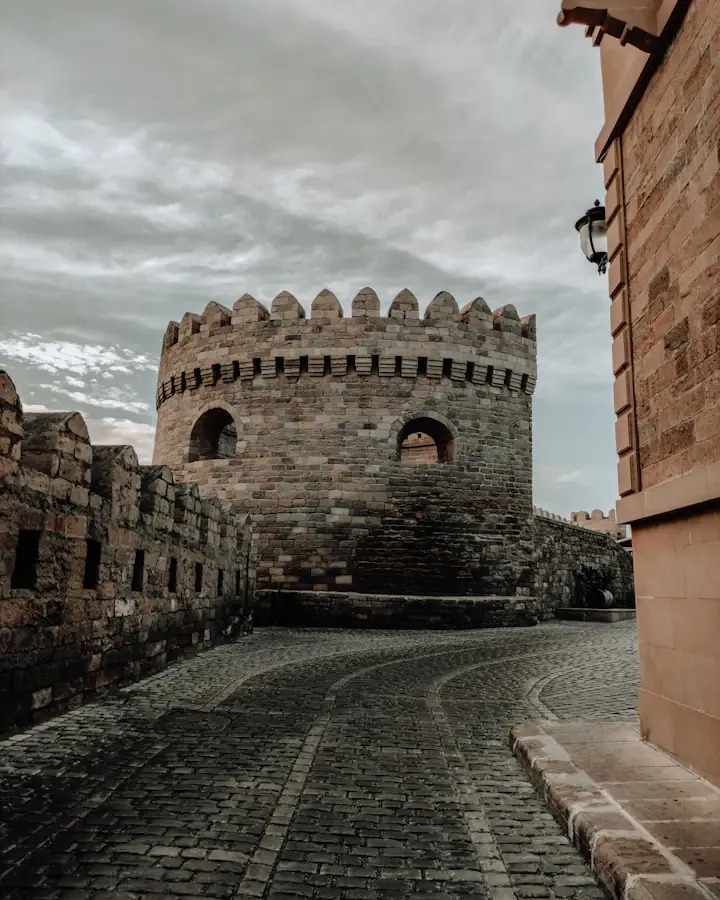
The Old City is next to the mansion district, so you can add the Palace of the Shirvanshahs and the Maiden Tower, a UNESCO World Heritage Site since 2000, on the same day. Many families prefer to see the oil era streets in the morning and keep the Old City for an evening walk through the Old City when the air is cooler.
Tips for your visit
- Spring and autumn are the most pleasant seasons for long walks. In July and August start early and rest in the middle of the day.
- Wear comfortable shoes. Some side streets slope down towards the sea.
- Bring a light layer, as the wind off the Caspian can be strong at any time of year.
- Photographing facades is fine, but avoid photographing guards or the entrances of official buildings.
- For weather, money and SIM card advice, read our Azerbaijan travel guide.
Children often enjoy the walk more if you give them a small mission, such as counting stone lions or finding the oldest date carved above a door. A stop for ice cream on Fountain Square keeps everyone happy.
How we can plan it for you
Our Baku oil barons history tour is a private six hour day with your own car, driver and English-speaking guide, with pickup from your hotel and halal lunch and prayer breaks on request. If you have more time, it fits well into a four day Baku long weekend. Send us your dates on WhatsApp and we will propose a plan that suits your family.
جولة تاريخ أثرياء النفط في باكو
في حدود عام 1900 كانت باكو تنتج نحو نصف نفط العالم، وبتلك الثروة بُني جزء كبير من وسط المدينة الذي ترونه اليوم. يتتبع…
عرض سعر مجاني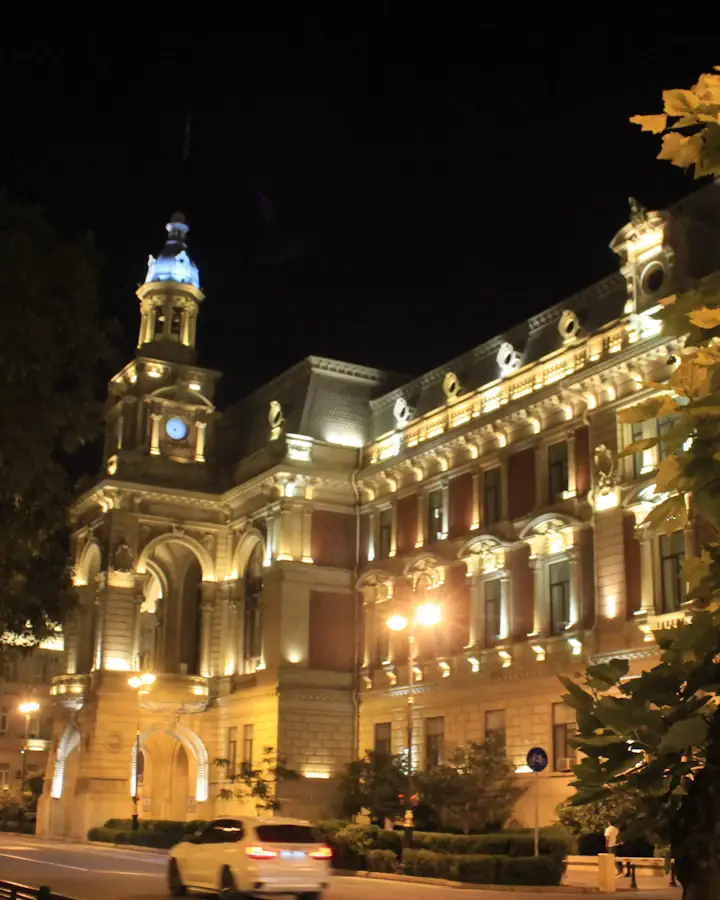


 Azerbaijan Luxury Tours