The real history of the Ateshgah Fire Temple in Surakhani, what you see inside, how long to stay and how to pair it with Yanar Dag on the same day.
The Ateshgah Fire Temple in Surakhani, on the Absheron Peninsula near Baku, is a walled courtyard built around a central fire altar. It was used by traders and pilgrims from India in the seventeenth and eighteenth centuries, and today it is a museum. A visit takes about an hour, and it fits easily into a half day with Yanar Dag, the burning hillside nearby.
Why fire burned here
The Absheron Peninsula sits above rich reserves of oil and gas. For centuries natural gas escaped from the ground in places and caught fire, and travellers wrote about flames that seemed to burn without fuel. This is why Azerbaijan is often called the land of fire.
At Ateshgah the natural gas flow faded in the twentieth century, after heavy oil and gas extraction in the area. The flames you see today are fed by a supply line. Guides are open about this, and it does not take away from the history of the place.
Who built the temple
Ateshgah is often linked with Zoroastrianism, the old Persian faith that honours fire. The building you see now, however, was mostly built by communities of Hindu and Sikh merchants and ascetics who travelled along the trade routes between India and Russia. Inscriptions above the cell doors are written in Sanskrit and Punjabi, with one in Persian.
The complex is shaped like a pentagon, with small rooms set into the walls around the courtyard. Pilgrims and traders lived in these cells, some for long periods. In the middle stands the altar with its domed roof, where the main fire burns. As trade patterns changed in the nineteenth century, the pilgrims stopped coming and the temple fell quiet.
What you see inside
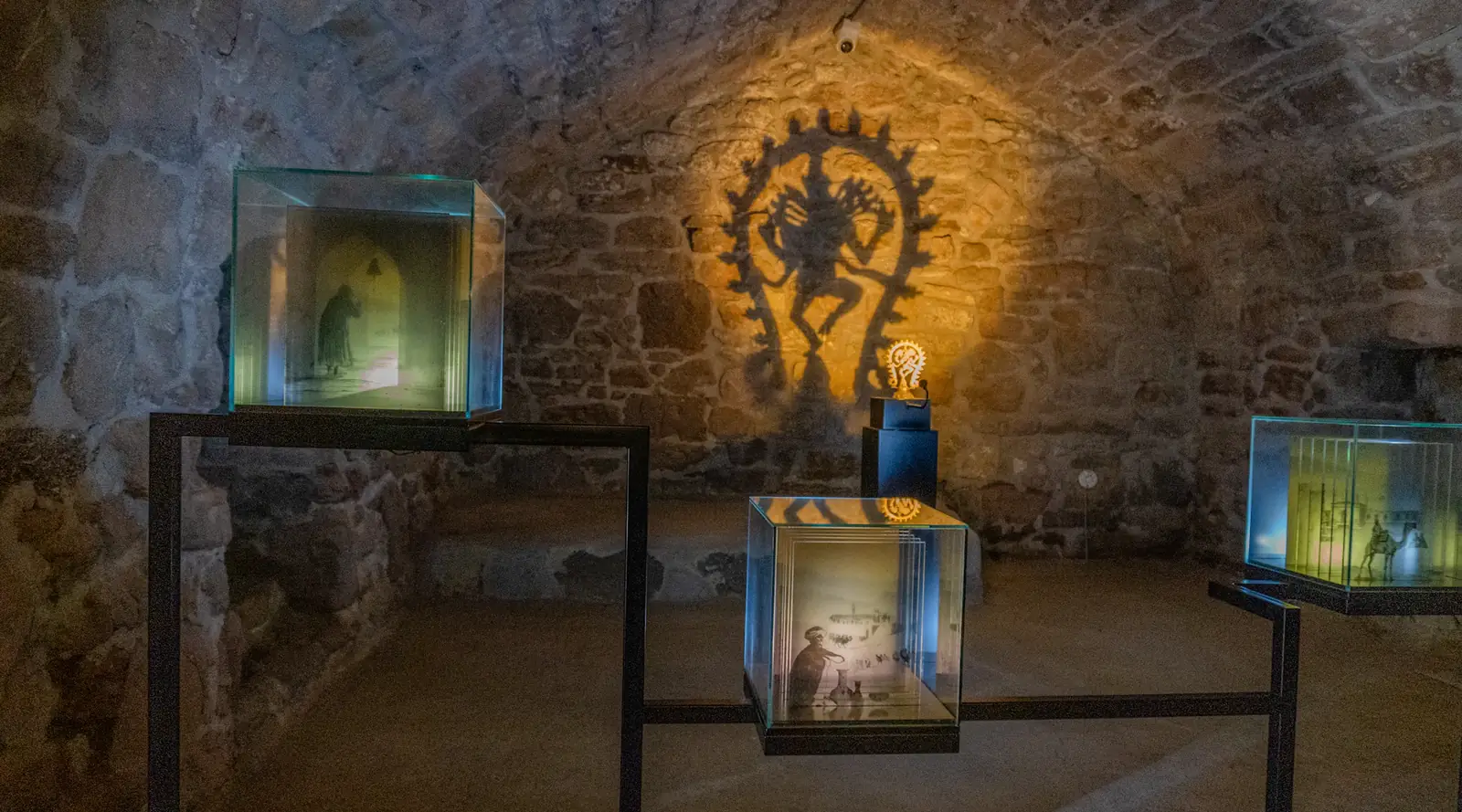
The museum uses the old cells to tell the story of the people who lived there. Some rooms have figures showing daily life, prayer and the simple way the ascetics lived. Others display objects, old photographs and panels about the region's oil history.
- Allow about an hour for the courtyard and the rooms.
- Paths are flat, so it suits grandparents and pushchairs.
- There is little shade in the courtyard, so bring hats in summer.
- Children usually enjoy the fire itself and the small rooms they can peek into.
Modest dress is sensible, though there are no strict rules for visitors. Photography is normally allowed, and the altar looks best in soft afternoon light.
If you are travelling with children, give them a small task to keep them curious, such as counting the cells around the courtyard or finding the carved inscriptions above the doors. Older children often enjoy hearing how merchants crossed deserts and mountains to reach this place, long before railways and cars made the journey easy.
Pairing Ateshgah with Yanar Dag and the coast
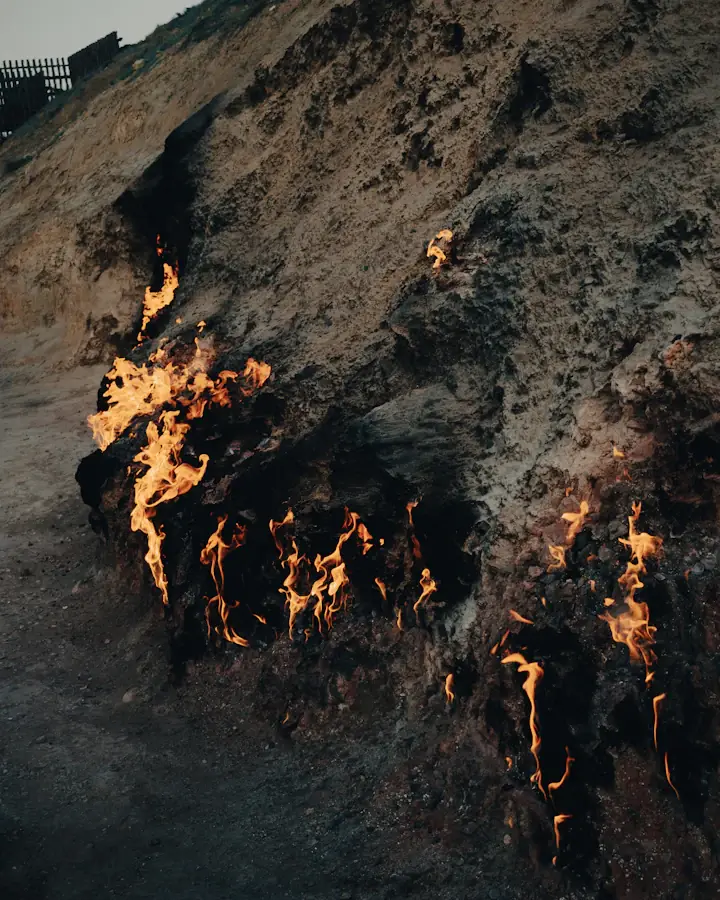
Yanar Dag, the burning mountain, lies on the other side of Baku on the same peninsula. Here gas still seeps from a low hillside and burns along a wall of rock. It looks best after dark, when the flames glow against the sky, so many families visit Ateshgah in the afternoon and arrive at Yanar Dag around sunset. There is a small visitor area where younger children can sit and watch the flames, which bend and flare on windy evenings.
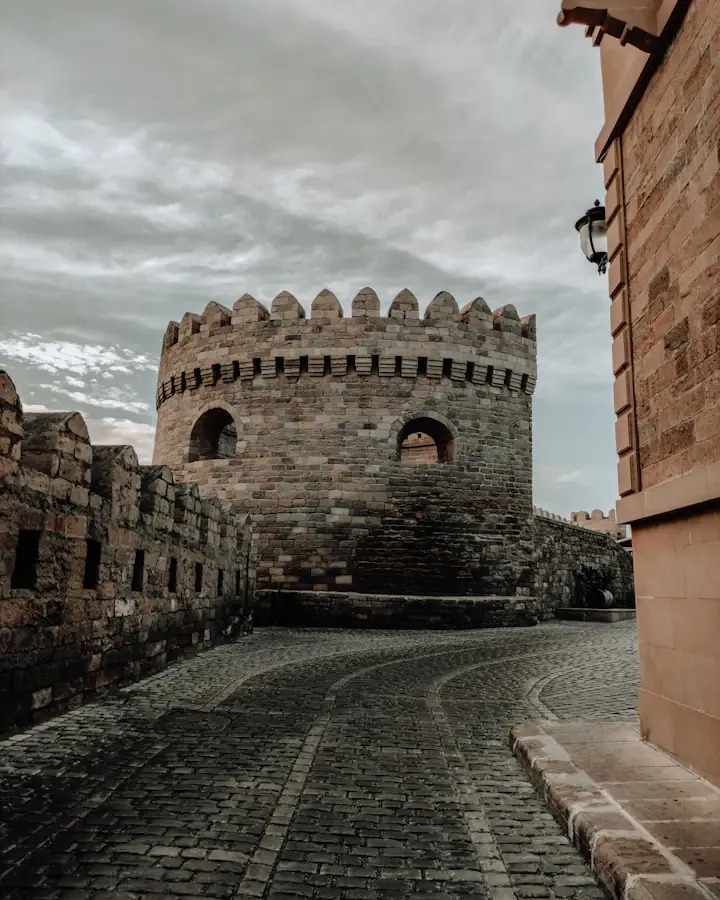
The peninsula also has old stone castles and quiet villages near the sea. Our Absheron castles and coast day follows that side of the story. If you are curious how gas and oil shaped Baku itself, our Baku oil barons history tour explains the boom years of the late nineteenth century and the grand buildings they left behind.
Practical tips for your visit
Surakhani is on the eastern side of Baku, and the drive from the city centre usually takes about half an hour to an hour depending on traffic. Opening times can change on holidays, so we confirm them before your day. There are small cafes and simple restaurants in nearby villages, and halal meals are easy to find. For the basics on money, SIM cards and weather, read our Azerbaijan travel guide.
If you have an evening free afterwards, our Baku Old City evening walk is a calm way to end the day among the lit walls and lanes of the old town.
How we can plan it
Our Absheron fire temples day brings Ateshgah and Yanar Dag together with a private car, a driver and pickup from your Baku hotel. Tell us on WhatsApp if you want to skip any stop, add prayer breaks or keep the day short for young children, and we will shape a free proposal around you.
معابد النار في أبشيرون والنبيذ
تُعرف أذربيجان بأرض النار، وشبه جزيرة أبشيرون حول باكو تشرح السبب. فقد غذّى الغاز الطبيعي النيران هنا لقرون، وشكّل…
عرض سعر مجاني

 Azerbaijan Luxury Tours